

Global Education
School Leaders
S
How We Help
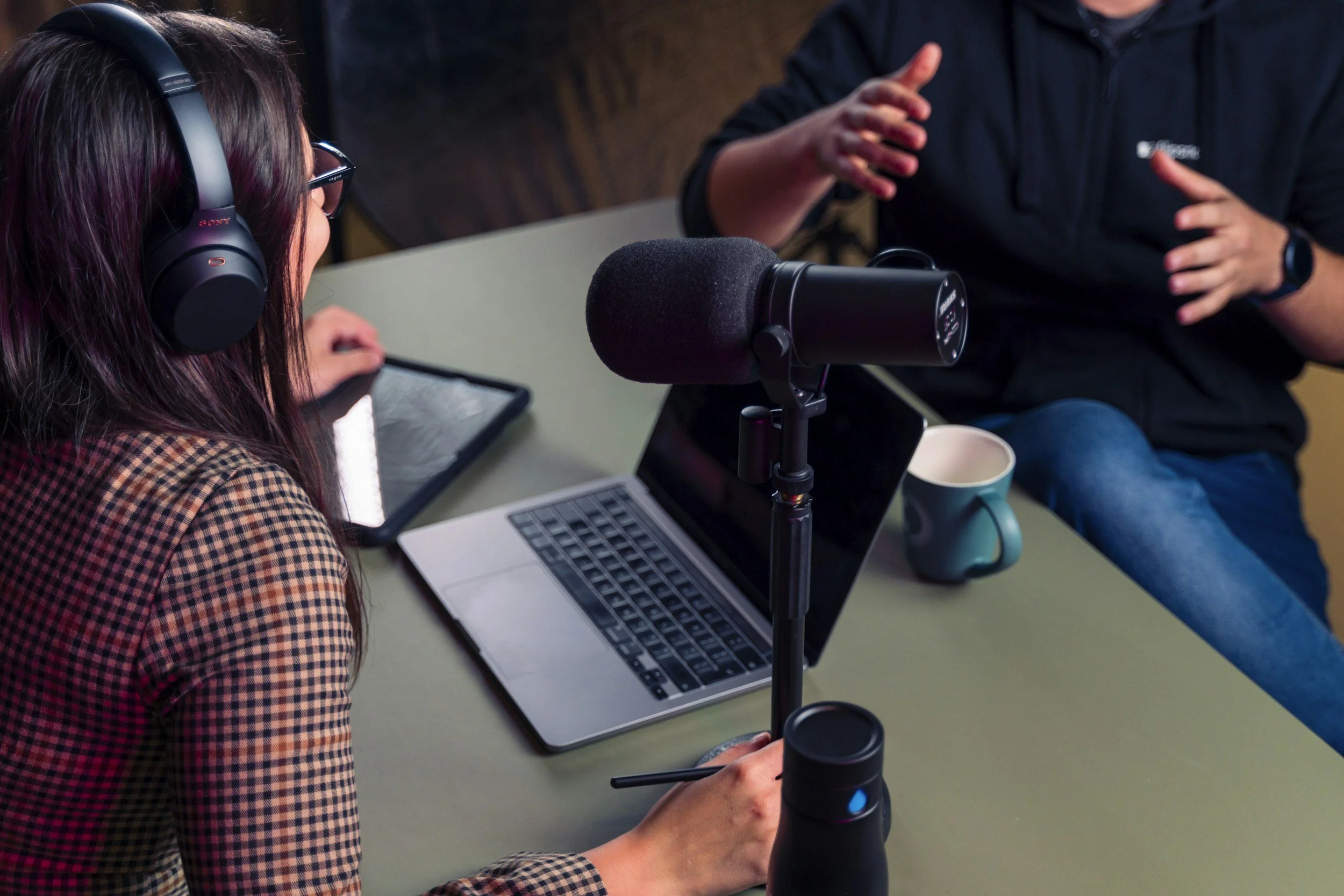
The company can transform academic and life-skills lessons into serialized podcasts, tutoring dialogues, and radio lessons designed for low-bandwidth environments. These can be broadcast nationally or regionally to reach rural communities, refugee camps, and conflict-affected learners.
Radio and Audio-Based Learning Systems
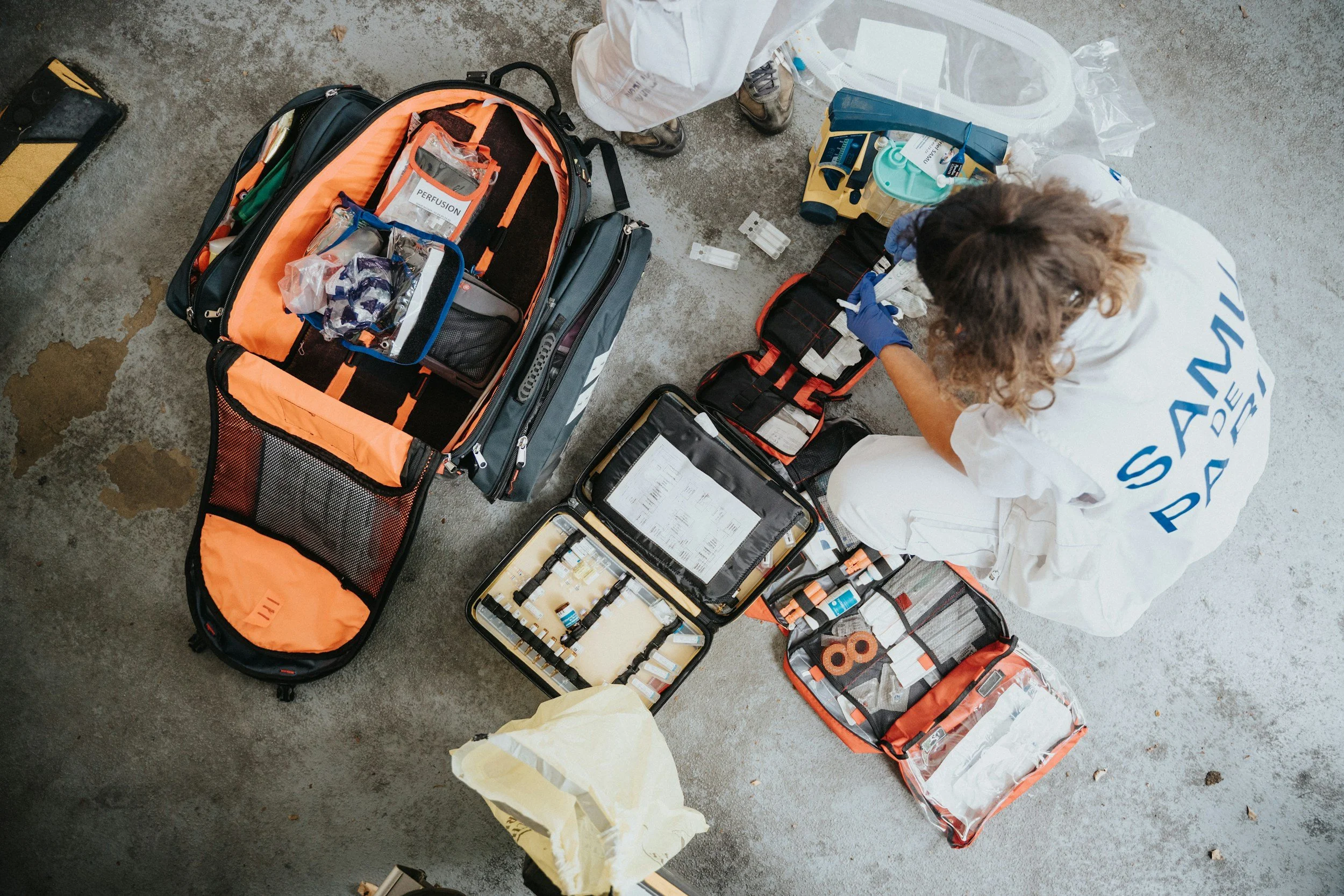
The company can translate the Skills Library into local languages and convert core lessons into audio-based instruction for radio, loudspeakers, phones, and offline devices. This allows governments to continue education even when schools are damaged, internet access is unstable, or teachers are displaced.
Emergency and Conflict-Zone Education
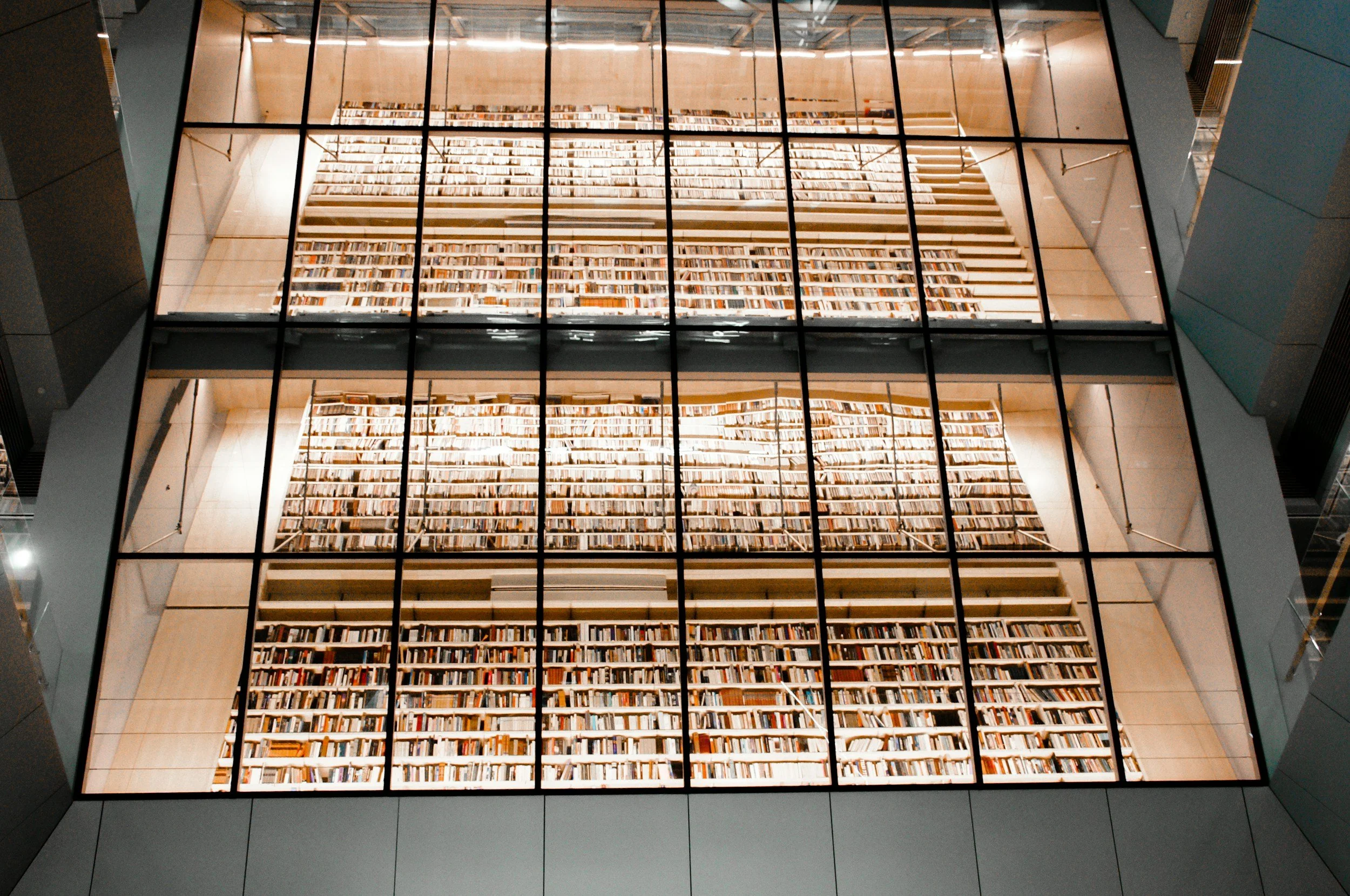
Governments could use the system to build centralized national instructional libraries aligned to local standards, languages, and curriculum goals. This creates reusable educational infrastructure instead of requiring every region or teacher to reinvent materials independently.
National Skills Libraries and Open Educational Infrastructure
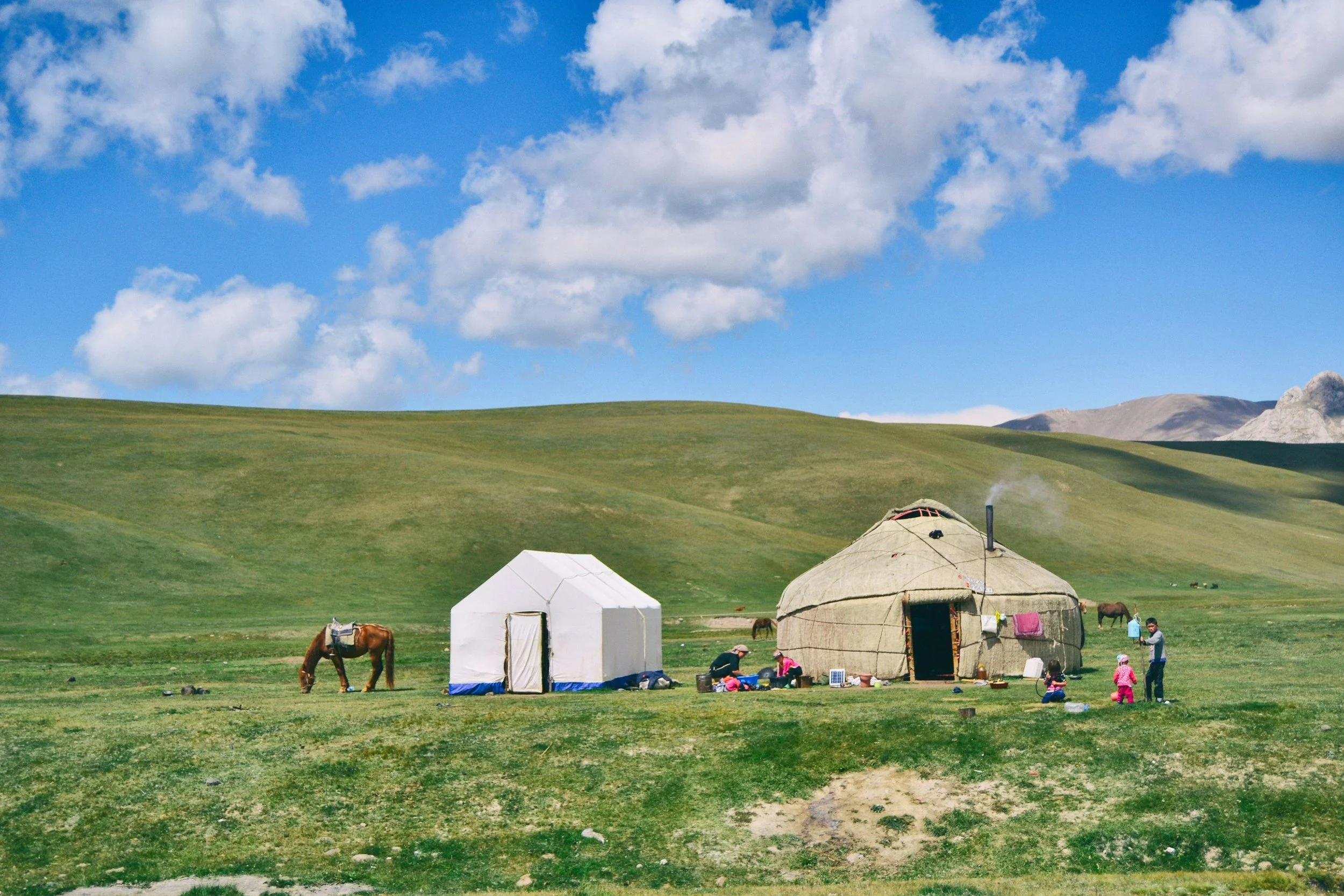
The platform can help countries support undertrained, isolated, or first-year teachers through structured lesson supports, instructional guidance, and AI-assisted planning tools. This is especially valuable in rural areas where ongoing coaching and mentorship are difficult to provide consistently.
Teacher Shortage and Rural Education Support

The platform’s life-skills and career-awareness systems can support national efforts around employability, entrepreneurship, digital literacy, and workforce readiness. Governments could use this to connect education more directly to economic recovery and long-term development goals.
Workforce and Career-Readiness Education
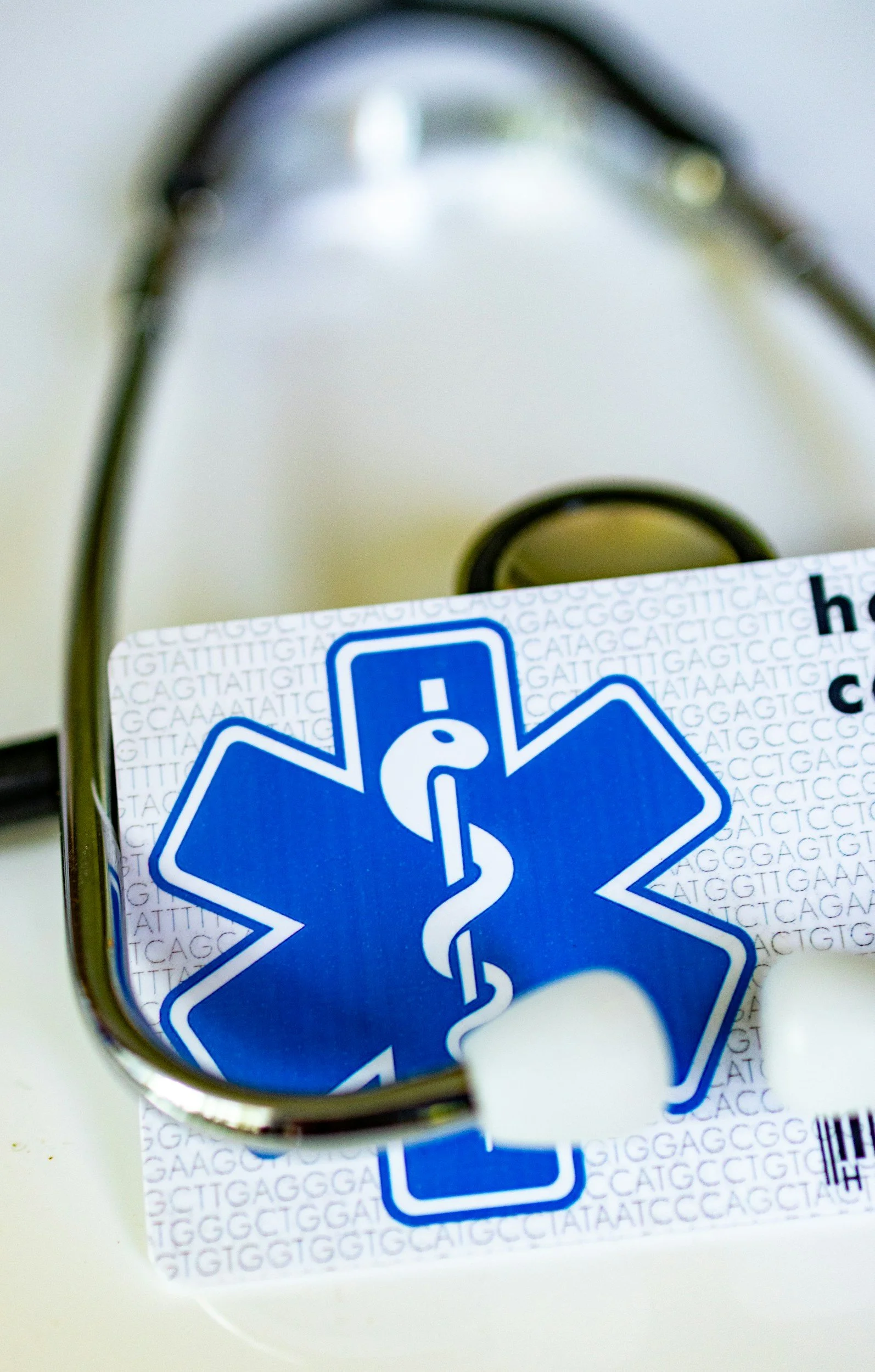
The system could be adapted to deliver public-learning campaigns about health, safety, civics, financial literacy, agriculture, disaster preparedness, or democratic participation. Because the platform already supports multimodal and simplified instruction, it can communicate complex information clearly to broad populations.
National Skills Libraries and Open Educational Infrastructure
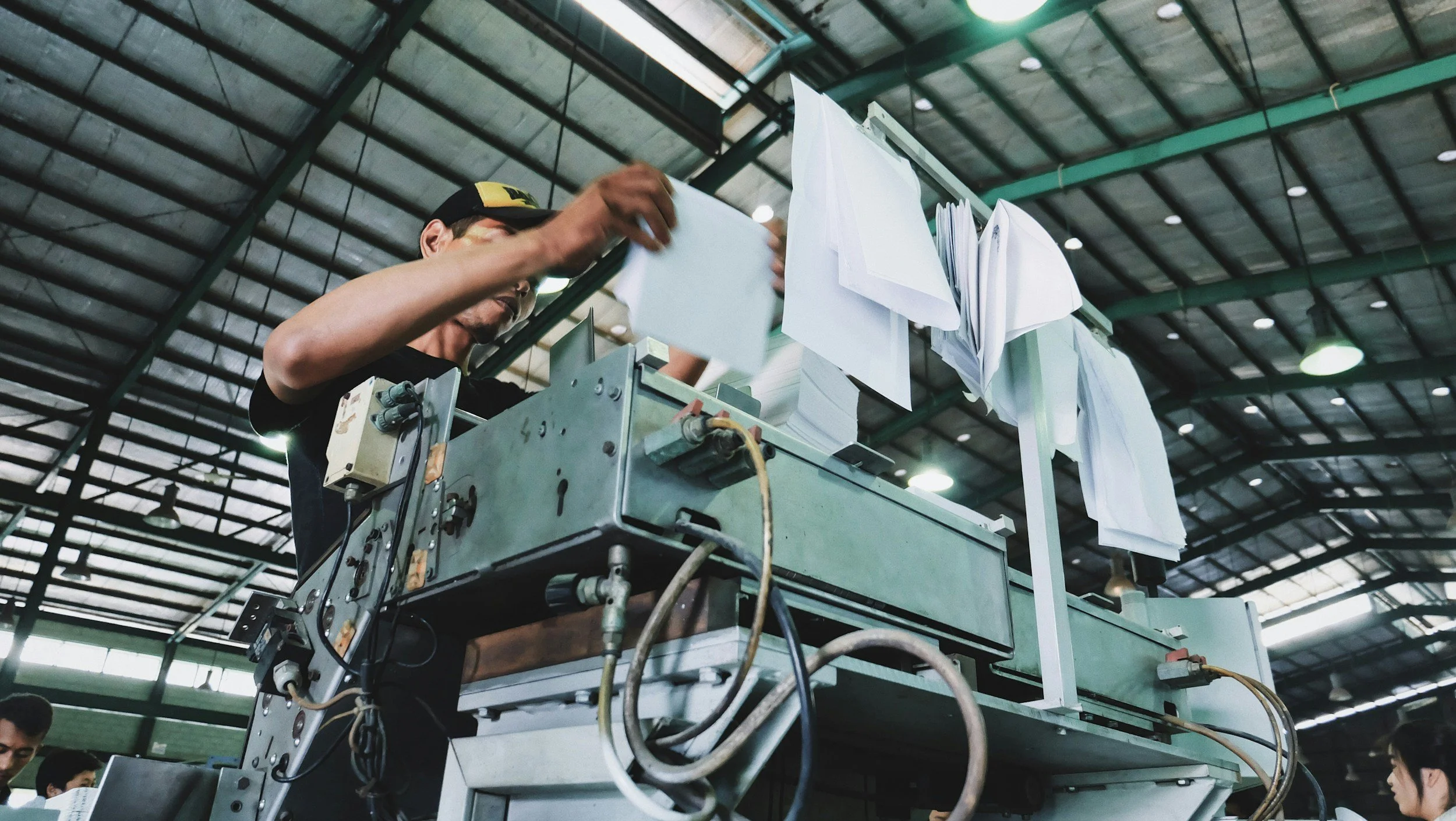
Governments could use the platform in prisons, rehabilitation programs, or reintegration initiatives to provide structured literacy, vocational, life-skills, and self-directed learning systems. The audio/dialogue format is especially useful for learners with interrupted education histories.
Prison, Rehabilitation, and Reintegration Education

The system could support the preservation of oral traditions, storytelling systems, cultural practices, and community knowledge through multilingual audio, dialogue, and educational archives. This allows governments and cultural groups to build educational systems that strengthen identity rather than replacing local culture with imported materials.
Indigenous and Cultural Knowledge Preservation

The platform could train emergency personnel, aid workers, healthcare volunteers, translators, and disaster-response staff through rapid, multilingual instructional modules. Audio-based and low-bandwidth formats would make it possible to distribute training quickly during wars, natural disasters, refugee crises, or public-health emergencies.